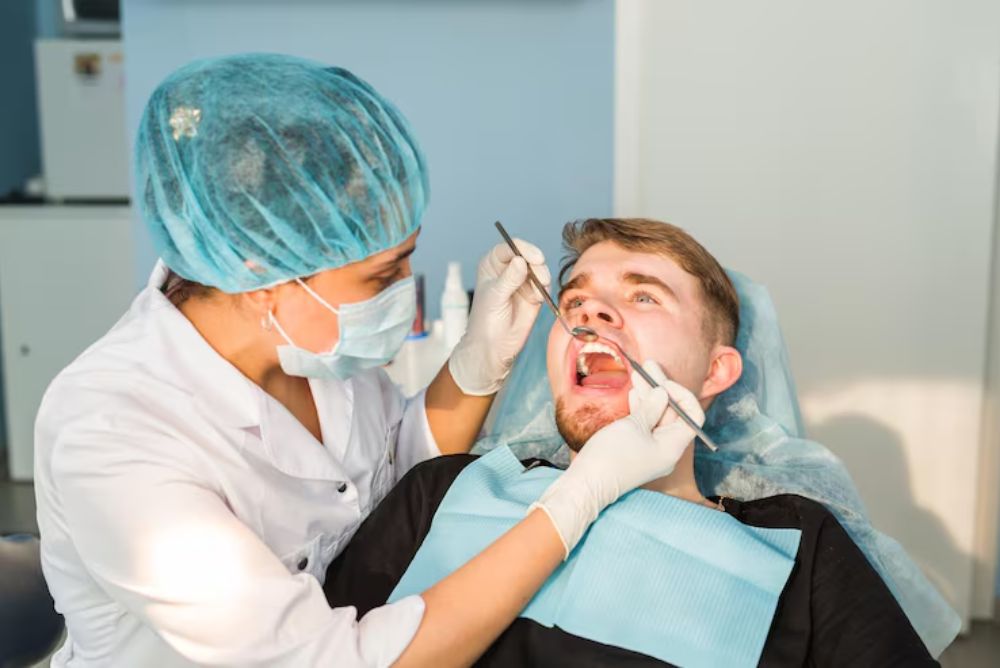
Sports are great for your health, but they come with real risks. A collision, a fall, or a stray elbow can damage your teeth in seconds. For athletes of all ages and skill levels, dental injuries are more common than most people realize. If you play any contact or high-impact sport, knowing where to find a dental clinic in Edmonton West and what to do in a dental emergency could genuinely save your tooth.
How Common Are Sports-Related Dental Injuries?
Dental injuries are among the most frequent sports-related injuries seen in emergency dental settings. They affect children, teenagers, and adults equally.
Here are the top sports categories associated with a high risk of dental trauma:
- Hockey
- Basketball
- Football and rugby
- Martial arts and boxing
- Baseball and softball
- Cycling and skateboarding
- Soccer
Even non-contact sports carry risk. A fall from a bicycle or a collision during a recreational game can result in serious dental trauma.
Types of Dental Injuries Athletes Experience
When a dental injury happens, getting emergency dentistry near you quickly is the most important step. Here are the most common types of sports-related dental injuries:
Knocked-Out Tooth (Avulsion)
This is the most urgent dental emergency. A tooth that has been completely knocked out can often be saved—but only if you act within 30 to 60 minutes.
Here is what to do immediately:
- Pick the tooth up by the crown—never touch the root
- Rinse it gently with clean water—do not scrub it
- Try to reinsert it gently into the socket if possible
- If reinsertion is not possible, place it in a glass of milk or between your cheek and gum to keep it moist
- Get to a dentist immediately
Time is everything with a knocked-out tooth. Every minute matters.
Cracked or Fractured Tooth
A crack in the tooth may not always be visible, but it will almost certainly be felt. Symptoms include sharp pain when biting, sensitivity to temperature, and discomfort that comes and goes.
Even if you only see a fine crack, it should be addressed as soon as possible. Without treatment, cracks can grow larger and result in an infection and loss of tooth structure.
Chipped Tooth
A chipped tooth is one of the most common sports dental injuries. Small chips may not cause immediate pain, but the sharp edge can cut the tongue or cheek. Larger chips can expose the inner layers of the tooth, causing sensitivity and risk of decay.
Pushed-In or Loosened Tooth (Luxation)
A tooth that has been pushed deeper into the gum, pushed sideways, or is visibly loose after an impact needs urgent care. Do not try to reposition it yourself—see a dentist right away.
Soft Tissue Injuries
Cuts to the lips, tongue, cheeks, or gums are common alongside tooth injuries. These need to be assessed to rule out more serious damage and ensure proper healing.
Why Athletes Need an Emergency Dentist for Athletes
A dental injury during a game or practice does not follow office hours. That is why having access to an emergency dentist for athletes, one who understands the urgency of sports-related trauma, is so important.
When you arrive at a dental clinic near you for emergency care, here is what typically happens:
| Stage | What Happens |
| Immediate assessment | The dentist evaluates the injury quickly |
| X-rays | Images confirm the extent of damage |
| Pain management | Discomfort is addressed right away |
| Treatment | The appropriate procedure is carried out |
| Follow-up plan | Next steps and recovery are explained clearly |
Fast, focused care gives you the best chance of a full recovery, and of keeping your natural tooth.
The Best Protection Is Prevention
The single most effective way to prevent sports dental injuries is by wearing a properly fitted mouthguard. A custom mouthguard made by your dentist offers far superior protection compared to a generic pharmacy version.
Advantages of a custom-fitted mouthguard:
- Individually designed to fit your specific mouth and bite
- Comfortable enough to be worn constantly throughout the game
- Does not interfere with breathing or speaking
- Absorbs and distributes impact force effectively
- Protects teeth, gums, lips, and jaw
Every athlete, regardless of age or level, should wear a mouthguard during contact or high-impact sports. It is a small investment that can prevent a very costly and painful injury.
What to Keep in Your Sports Bag
Being prepared for a dental emergency before one happens is smart practice. Here is what every athlete should carry:
- A small dental emergency kit or tooth preservation container
- Clean gauze or a small cloth
- The contact details of your emergency dental clinic
- A sealed container of milk—for storing a knocked-out tooth temporarily
These simple items take up very little space, but they can make a significant difference in an emergency.
Your Game Face Deserves the Best Protection
Sports-related dental injuries can happen to anyone, but knowing how to respond and where to go makes all the difference. Quick action, proper preparation, and access to the right dental care can save your tooth and get you back in the game faster.
At West Side Family Dental, their caring and experienced team understands how stressful a dental emergency can be , especially for athletes who need to get back to what they love. If you or someone you know has experienced a sports-related dental injury, do not wait. Contact us today and get the prompt, expert care you need.
Frequently Asked Questions
Q1. How quickly should I see a dentist after a sports dental injury?
For a knocked-out tooth, you should see a dentist within 30 to 60 minutes — the sooner you go, the better the chance of saving the tooth.
Q2. Can a cracked tooth heal on its own?
No, a cracked tooth will not heal without professional treatment. It needs to be assessed and treated promptly to prevent the crack from worsening or becoming infected.
Q3. Are custom mouthguards really better than pharmacy ones?
Yes—custom mouthguards are made precisely for your teeth and offer significantly better fit, comfort, and protection than over-the-counter options.
Q4. Can children wear mouthguards during sports?
Absolutely, children are encouraged to wear mouthguards during any contact or impact sport, and custom-fitted options are available for younger patients too.