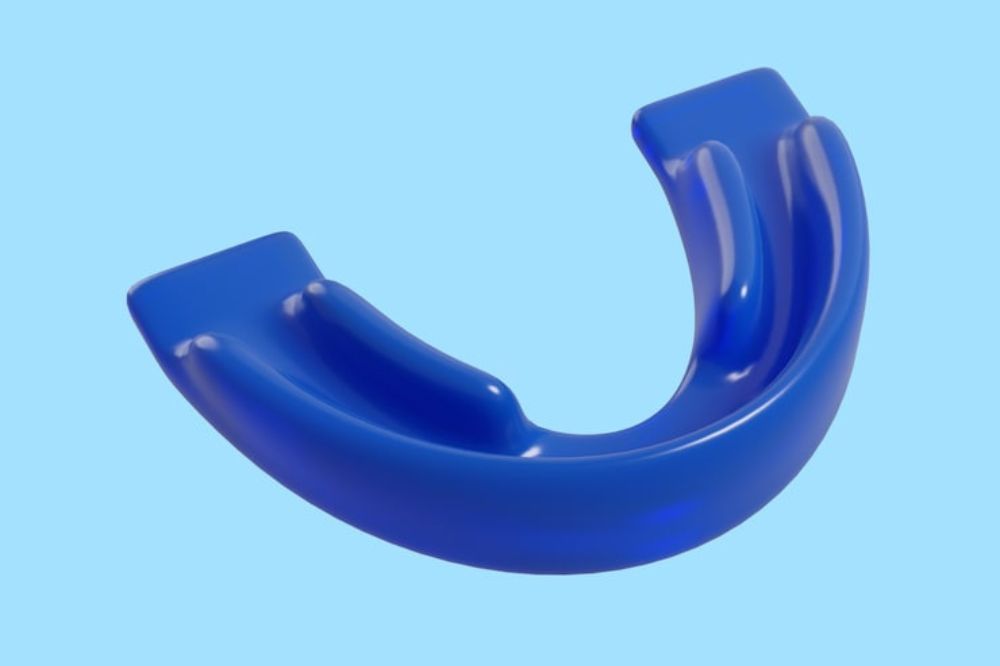
When people gear up for sports, they think about helmets, shin pads, and knee guards. Protecting the head, the knees, and the shins. But one of the most vulnerable and most often overlooked parts of the body during physical activity is the mouth.
A single collision, fall, or impact to the face can chip, crack, or completely knock out a tooth in an instant. A sports guard in West Edmonton is one of the simplest, most affordable pieces of protective equipment available—and one of the most consistently underused.
What Is a Sports Guard?
A sports guard—also called a mouthguard—is a custom-fitted protective device worn over the teeth during sports and physical activities. It is made from a durable, flexible material that absorbs and distributes the force of an impact before it reaches the teeth, jaw, and surrounding structures.
There are three main types:
- Stock guards — pre-made and available off the shelf. They are inexpensive but offer a poor fit and limited protection
- Boil-and-bite guards—softened in hot water and moulded to the teeth at home. Better than stock but still less precise than a custom option
- Custom-fitted guards — made by a dentist from precise impressions of your teeth. They offer the best fit, the most comfort, and the highest level of protection
Finding a qualified dentist near you to have a custom sports guard made is the most reliable way to ensure your teeth are genuinely protected during play.
Sports Guard Benefits — Why They Matter More Than You Think
Understanding the full range of sports guard benefits helps parents, athletes, and coaches see why this piece of equipment deserves the same attention as any other protective gear.
A properly fitted sports guard:
- Absorbs the shock of direct impacts to the mouth and face
- Protects teeth from chipping, cracking, and being knocked out
- Cushions the jaw to reduce the risk of fractures
- Protects soft tissue — the lips, cheeks, and tongue — from being cut against the teeth during impact
- Reduces the risk of concussion by cushioning the jaw and distributing force away from the skull
- Protects existing dental work — crowns, veneers, bridges, and braces — from impact damage
Without a guard, even a moderate knock to the face can result in significant dental trauma that requires emergency care, extensive treatment, and considerable cost.
Who Should Wear a Sports Guard?
The short answer is anyone who plays a sport where contact or collision is possible.
Sports where guards are most strongly recommended include the following:
- Hockey — ice and field
- Football and rugby
- Basketball and netball
- Martial arts and boxing
- Soccer and volleyball
- Cycling and skateboarding
- Baseball and softball
- Gymnastics and cheerleading
Even sports that are not traditionally considered contact sports carry a risk of accidental collision, falls, or equipment impact. A sports guard is appropriate for children and adults alike—and especially important for anyone undergoing orthodontic treatment.
A dentist near downtown who creates custom sports guards will assess your bite, the specific sport you play, and any existing dental work before recommending the most appropriate guard for your needs.
Custom vs Store-Bought — Why the Difference Matters
Many people opt for a store-bought guard because it is more convenient and less expensive. But the difference in protection is significant.
|
Feature |
Store-Bought Guard |
Custom-Fitted Guard |
|
Fit |
Loose and generic |
Precise and snug |
|
Comfort |
Bulky and uncomfortable |
Slim and easy to wear |
|
Protection level |
Minimal |
Maximum |
|
Breathing and speaking |
Difficult |
Natural |
|
Durability |
Wears quickly |
Long-lasting with proper care |
|
Likely to actually be worn |
Often avoided due to discomfort |
Worn consistently because it fits well |
That last point matters enormously. A guard only protects when it is actually being worn. Custom guards are significantly more likely to be used consistently because they feel comfortable and do not interfere with breathing or communication during play.
Caring for Your Sports Guard
A well-maintained sports guard lasts longer and provides better protection.
Simple care habits include:
- Rinse the guard with cool water before and after each use
- Clean it gently with a soft toothbrush and mild soap—do not use toothpaste as it can be abrasive
- Store it in a ventilated case when not in use — never in direct sunlight or hot environments
- Check regularly for cracks, tears, or changes in fit
- Bring it to dental appointments so your dentist can assess its condition
- Replace it as recommended—custom guards typically last one to three years depending on usage
Children and teenagers may need more frequent replacements as their mouths continue to grow and change.
Protect Your Smile on and off the Field — West Side Family Dental Is Here for You
No sport is worth losing a tooth over — and with the right protection, it does not have to be. A custom sports guard is a small investment that protects something irreplaceable.
At West Side Family Dental, the team is dedicated to helping athletes of all ages protect their smiles with custom-fitted sports guards that are comfortable, durable, and built for real performance. Whether you are a weekend recreational player or a competitive athlete, they are ready to help you find the right protection for your sport. Book your appointment with us today — and play with confidence knowing your smile is protected.
Frequently Asked Questions
Q1: At what age should children start wearing a sports guard?
Children should start wearing a sports guard as soon as they begin participating in sports where contact or collision is possible—custom guards can be made for children of all ages and replaced as the mouth grows.
Q2: Can I wear a sports guard with braces?
Yes—in fact, protecting braces during sports is especially important. A custom guard made specifically to fit over braces protects both the orthodontic appliances and the soft tissue of the mouth from injury during impact.
Q3: How long does it take to get a custom sports guard from a dentist?
Most custom sports guards are ready within one to two weeks — the dentist takes impressions at the first appointment, and the guard is fabricated in a dental lab before being fitted and adjusted at a second visit.
Q4: Do sports guards help prevent concussions?
Research suggests that properly fitted sports guards may help reduce concussion risk by cushioning the jaw and distributing impact forces away from the skull—while they are not a guaranteed preventive, they are considered a valuable part of overall head protection during sports.