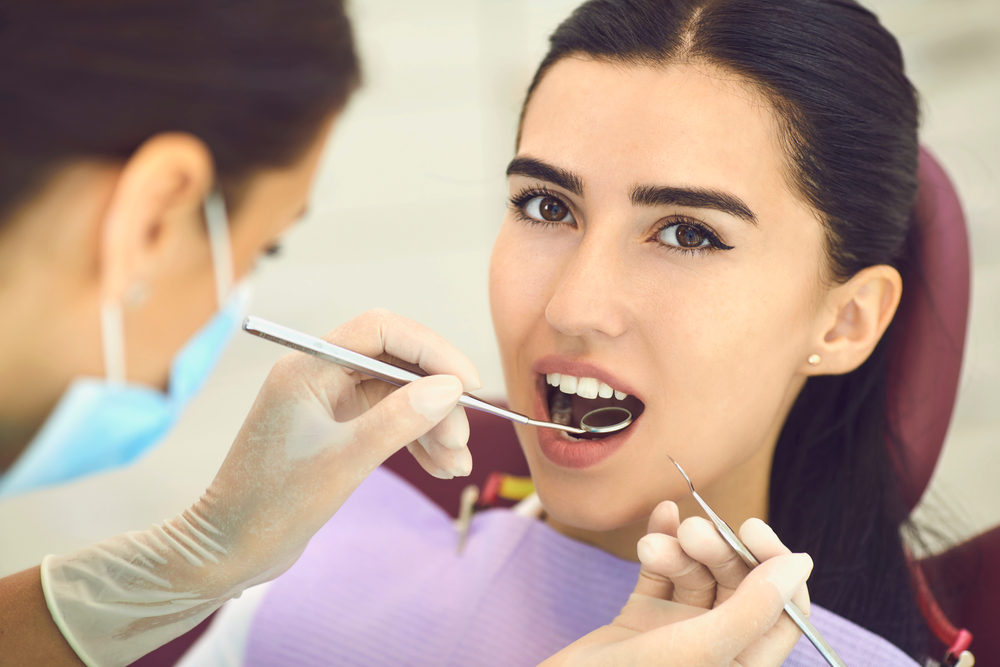
If you are considering cosmetic improvements, you may wonder how many teeth can be treated in one visit. A dentist in Edmonton West often recommends dental bonding for quick, natural-looking results. This treatment is simple, cost-effective, and ideal for fixing chips, gaps, or discoloration. But how many teeth can be bonded at once depends on your oral health, goals, and treatment plan.
What Is Dental Bonding?
Dental bonding is a cosmetic procedure in which a tooth-colored resin is applied, shaped, and hardened with a special light. It blends with your natural teeth and improves appearance without major changes to tooth structure.
Common Reasons People Choose Bonding
- Repair chipped or cracked teeth
- Close small gaps
- Improve tooth shape or size
- Cover stains or discoloration
- Protect exposed roots
How Many Teeth Can Be Bonded In One Visit?
In most cases, a dentist near you can bond between 4 and 8 teeth in a single appointment. However, this number can vary.
Factors That Affect The Number Of Teeth Bonded
- Time required per tooth (usually 30–60 minutes)
- Complexity of each case
- Patient comfort during the procedure
- Overall oral health
For minor cosmetic fixes, multiple teeth can be treated in one session. For more detailed work, your dentist may suggest spreading appointments over a few visits.
Is Full Mouth Bonding Possible?
Yes, full-mouth bonding is possible. A full-mouth dental bonding procedure can be performed, but it usually requires multiple sessions.
What To Expect With Full Mouth Bonding
- Multiple meetings rather than a single lengthy session.
- Thorough planning for symmetry and alignment of the bite.
- Slow change for better accuracy.
By taking this approach, we guarantee comfort and endurance rather than rushing.
Benefits Of Bonding Multiple Teeth At Once
Choosing to bond several teeth in one visit offers practical and aesthetic advantages.
Key benefits
- Consistent color matching across teeth
- Faster smile transformation
- Fewer dental visits overall
- Immediate visible results
This makes dental bonding near you a convenient option for busy individuals.
Are There Limits To How Many Teeth Should Be Bonded?
Bonding can be used on several teeth; however, there are practical limits. Dentists focus on quality and comfort.
Reasons for Restrictions.
- Sitting for long hours may cause fatigue.
- Extended sessions may decrease precision.
- You could experience gum and tooth sensitivity.
The quality of dental care is not the priority for these dentists.
Who Is A Good Candidate?
Dental bonding is best for patients with healthy teeth and minor cosmetic concerns.
Ideal Candidates
- Individuals who possess small chips or gaps.
- People who have mild stains.
- Patients desiring a quick cosmetic enhancement.
If you need major corrections, your dentist may recommend alternatives like veneers or crowns.
How Long Does Bonding Last?
Bonding is durable but not permanent. With proper care, it can last several years.
Tips To Extend Results
- Maintain good oral hygiene
- Avoid biting hard objects
- Limit staining foods and drinks
- Visit a dentist regularly
Visual Comparison Of Treatment Scope
Here’s a simple breakdown to help you understand treatment planning:
- Single-tooth bonding: Quick fix, under 1 hour
- Multiple teeth bonding (4–8): 2–4 hours
- Full mouth dental bonding procedure: Multiple sessions over weeks
This structured approach ensures accuracy and comfort.
Conclusion
Dental bonding is a versatile restoration that can enhance your smile, whether you require repair of a single tooth or enhancement of several simultaneously. Based on your requirements, time, and dental condition, the number of teeth to be bonded will be determined. If you’re looking for cosmetic options, a consultation can help you understand what’s right for your smile. For expert advice and personalized care, visit West Side Family Dental and take the first step towards a confident smile. Make an appointment today!
FAQs
How many teeth may be bonded in one session?
Most dentists can bond 4 to 8 teeth in one visit. This relies on available time, complexity, and the patient’s comfort level.
Is dental bonding a painful procedure?
Dental bonding is painless most of the time and does not require anesthesia, so that you will be comfortable in a dental chair.
How long is the duration of each tooth?
It normally takes 30 to 60 minutes to complete each tooth during the process.
Can bonding effectively repair large gaps?
While bonding may help fix a small to medium gap between teeth, orthodontics or veneers may be necessary for larger gaps to provide better long-term results.
How can I keep my bonded teeth in good condition?
Maintain your bonded tooth effectively by brushing twice a day, regularly flossing, avoiding hard foods, and visiting the dentist for check-ups.