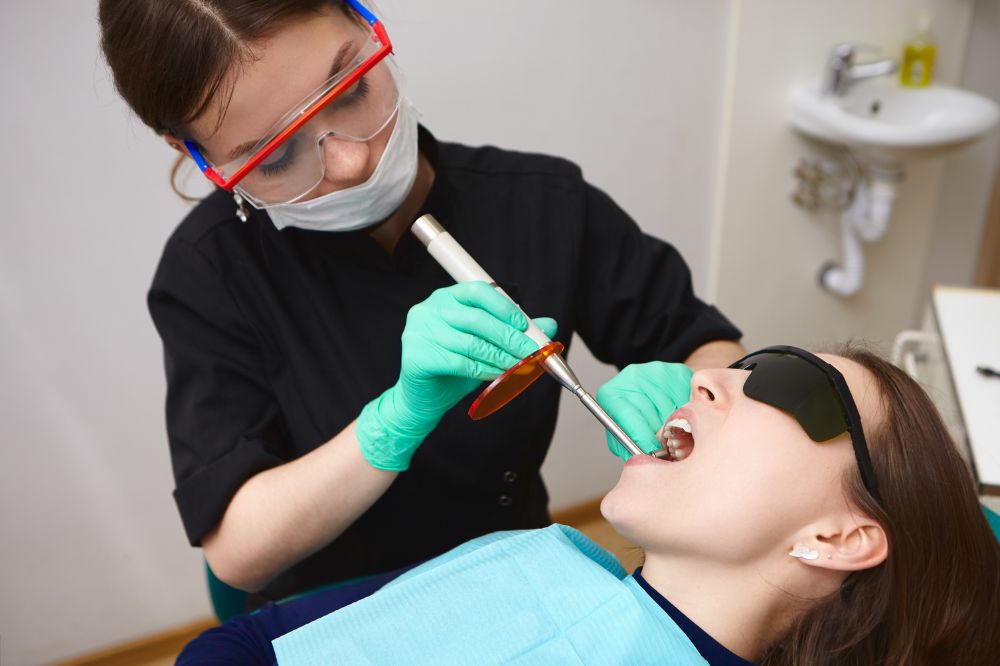
Dental bonding is a treatment that dentists use to fix teeth. During this process, a dentist applies a tooth-coloured composite resin to the surface of a tooth. This material is then shaped and hardened using a special light. Many people visit a dental clinic in West Edmonton to get this done because it can help with chipped teeth, gaps between teeth, and tooth discoloration.
While dental bonding has some benefits, it also has drawbacks you should know about. This article explains the cons of dental bonding in simple terms so you can decide whether this treatment is right for you.
The Cons of Dental Bonding
1. It Does Not Last Forever
One of the biggest cons of dental bonding is that it does not last long. How long does dental bonding last? The answer is usually between 3 and 10 years. This depends on how well you take care of your teeth and where the bonding is placed in your mouth. Unlike crowns or veneers, dental bonding may need to be replaced sooner. If you are looking for dental bonding near you, ask your dentist about how long the treatment might last for your specific case.
2. It Can Stain Over Time
The material used in dental bonding can change colour over time. Coffee, tea, soda, and smoking can cause the bonding to become yellow or brown. Unlike natural teeth, the bonding material does not respond to whitening treatments. This means that if you want whiter teeth, you may need to consider dental bonding carefully.
3. It Can Chip or Break
Dental bonding is not as strong as natural teeth or other dental treatments. Biting into hard foods like ice, nuts, or candy can cause the bonding to chip or break. If you have a habit of chewing on pens or biting your nails, dental bonding may not be the best choice for you. You should be careful about what you eat after getting this treatment at a dental clinic.
4. It Requires Replacement
Because dental bonding does not last forever, you will need to visit a dental clinic near you again for replacement. This means more time at the dentist and more money spent. Other treatments such as crowns or veneers,may cost more initially but often last longer, which could save you money over time.
5. It May Not Fix All Problems
Dental bonding is effective for minor repairs, but it may not be the best option for major dental problems. If you have large cavities, significant damage or serious alignment issues, your dentist may recommend alternative treatments. Bonding is best for cosmetic changes, not for fixing major structural problems with your teeth.
Is Dental Bonding Right for You?
Before deciding on dental bonding, you should talk to your dentist about your specific situation. Your dentist can examine your teeth and tell you if dental bonding is a good option. They can also explain other treatments that work better for your needs.
Remember to ask questions about how long dental bonding lasts and what you can do to make it last longer. Taking good care of your teeth by brushing and flossing every day can help extend the life of your dental bonding.
Making Your Decision
Now you know the cons of dental bonding. The treatment can help improve your smile, but it also has some limitations. Think about your lifestyle and what you want to achieve with your teeth. If you are looking for dental bonding near you, make sure to choose a trusted dental clinic where the dentist can answer all your questions and help you make the best choice for your oral health.
Fix Your Smile With Dental Bonding
Dental bonding is a simple treatment we use to repair chipped, cracked, or uneven teeth. We apply a tooth colored resin material to restore tooth shape and improve function. At Westside Family Dental, we focus on safe and gentle dental care for both children and adults. We ensure every step is taken with proper dental checkups and careful treatment planning at our clinic. Visit Westside Family Dental for dental bonding near you.
Frequently Asked Questions
1. How long does dental bonding last?
Dental bonding usually lasts between 3 to 10 years. The exact time depends on how well you care for your teeth and where the bonding is placed in your mouth. Regular dental checkups at a dental clinic can help monitor the condition of your bonding.
2. Can I whiten my teeth if I have dental bonding?
No, teeth whitening treatments do not work on dental bonding material. If you want whiter teeth, you may need to consider other options or replace the bonding after whitening your natural teeth.
3. Is dental bonding painful?
No, dental bonding is generally not painful. The dentist usually does not need to use anesthesia for this procedure. You may feel some sensitivity after the treatment, but it goes away quickly.
4. What foods should I avoid after getting dental bonding?
You should avoid hard foods like ice, nuts, and hard candy. Also, try to limit foods and drinks that can stain your teeth, such as coffee, tea, and soda. These habits can help your dental bonding last longer.