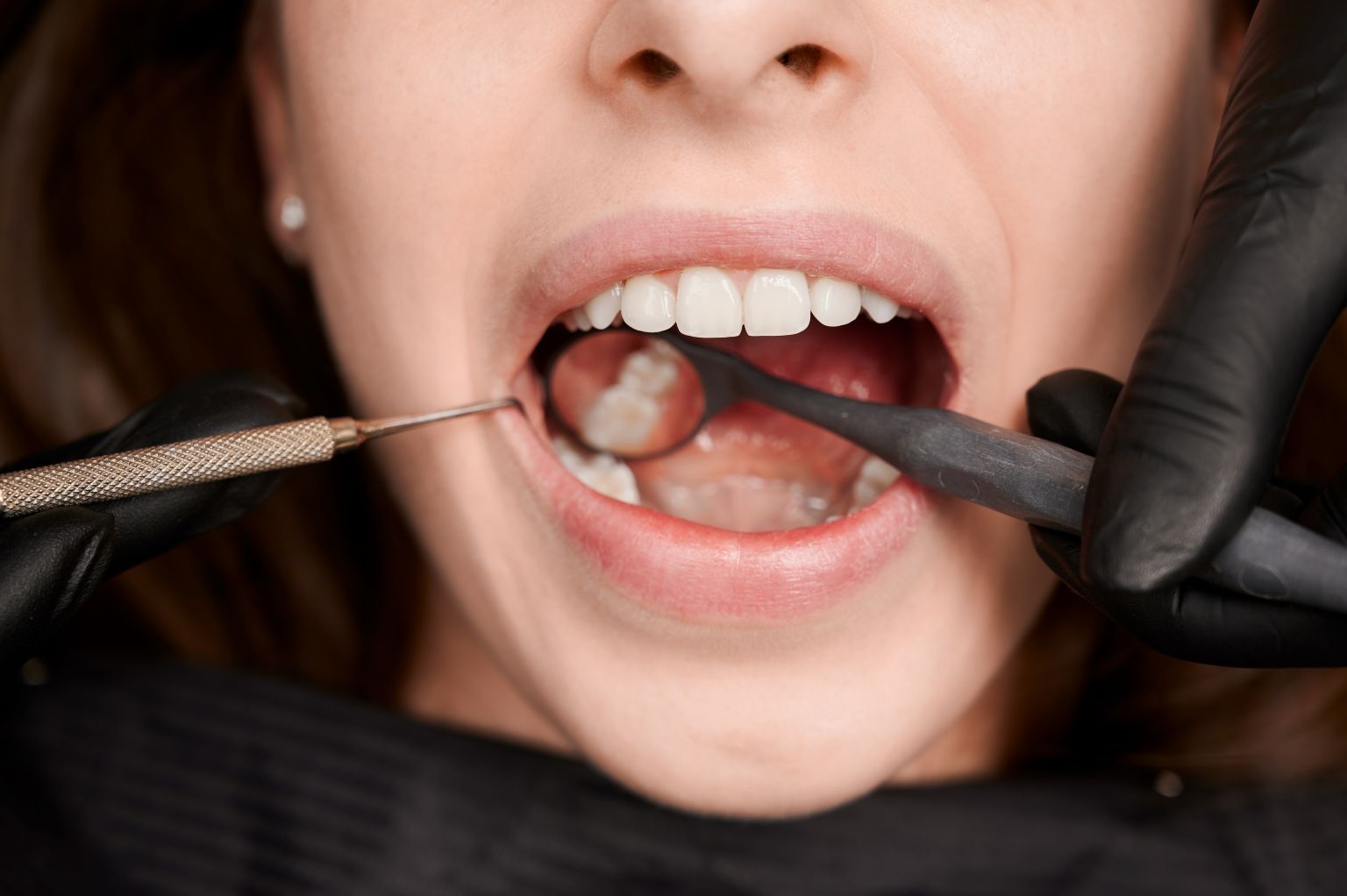
A tooth extraction is a common dental treatment where a dentist carefully removes a tooth from its socket in the bone. While the idea might seem scary, the process is quick and painless due to numbing medicine and is designed to help your mouth stay healthy.
What is Tooth Extraction?
When you need a tooth removed, a dental professional carefully lifts it out of its place in your mouth. Your dentist will always try to keep your natural teeth healthy first by using things like fillings or protective caps. However, if a tooth is badly broken or causing too much crowding, taking it out is often the smartest way to stop pain and keep infections from moving to your jawbone. Finding a friendly dentist near you is the best way to make sure the whole process feels easy and safe.
Most people need an extraction because of a deep cavity, a broken tooth, or because of wisdom teeth that do not have enough room to grow. When you visit a tooth extraction near you, the team will take X-rays to see the shape of the root and the bone around it. This helps them plan the best way to remove the tooth without causing stress to the surrounding area.
Why Do People Need To Have A Tooth Removed?
There are several reasons why a tooth might need to come out. Sometimes, a tooth is so decayed that it cannot be fixed with a root canal or a large filling. In other cases, gum disease can make a tooth very loose because the bone holding it in place has worn away.
Crowding is another major reason for this procedure. If you are getting braces, your mouth might be too small for all your teeth to line up straight. By removing one or two teeth, the rest can move into their proper positions. No matter the reason, the goal is always to create a healthier environment for your remaining teeth.
How Does The Removal Process Work?
The process begins with a local anesthetic. This is a special medicine that numbs the area around the tooth so that you won’t feel any pain. You might feel some pressure as the dentist works, but it should not hurt. If the tooth is visible above the gum line, it is called a simple extraction. The dentist will use a tool to loosen the tooth and then gently lift it out.
If the tooth is broken or has not come through the gum yet, it is called a surgical extraction. This is common for wisdom teeth. During this version, the tooth extraction procedure explained by your dental team will include how they make a small opening in the gum to reach the tooth. They might even break the tooth into smaller pieces to make it easier to remove carefully.
What Happens Immediately After The Tooth Is Out?
Once the tooth is gone, a blood clot naturally forms in the empty socket. This clot is very important because it acts like a bandage for the bone and nerves underneath. The dentist will ask you to bite down on a piece of clean gauze for about 45 minutes. This firm pressure helps stop the bleeding and keeps the clot in place.
You should avoid touching the area with your tongue or finger. It is also important to avoid spitting or using a straw for the first 24 hours. These actions create suction in the mouth that could pull the clot out. If the clot is lost, it can lead to a painful condition called dry socket, which slows down the healing process.
How Long Does It Take To Heal?
Healing is a journey that happens in stages over several weeks. For the first few days, your main job is to take it easy and keep your head propped up with pillows while you rest. You might notice a little swelling or a small bruise on your cheek, but don’t worry—that is just your body’s natural way of healing itself.
Holding a cold ice pack against your face is a great way to stay comfortable and keep that swelling under control. Most people feel like themselves again and get back to their daily habits once the tooth extraction recovery timeline hits the three-day mark. While your gums will likely close up and feel smooth within two weeks, the bone underneath takes a bit more time to fill in completely. During these weeks, just remember to be extra soft and gentle when brushing near the spot to keep things from getting irritated.
What Should You Eat During Recovery?
Sticking to soft foods is essential for the first few days. Foods like yogurt, applesauce, mashed potatoes, and lukewarm soup are great choices because they do not require much chewing. Avoid anything crunchy, spicy, or very hot, as these can irritate the sensitive area where the tooth used to be.
As you start to feel better, you can slowly add solid foods back into your diet. Just try to chew on the opposite side of your mouth for about a week. Staying hydrated is also vital, but remember to drink directly from a cup rather than using a straw to protect that important blood clot.
Your Path to a Brighter Smile
Taking care of your oral health is one of the best things you can do for your overall well-being. While losing a tooth might feel like a big change, it is often the first step toward a mouth that is free from pain and infection. Modern dental techniques make the process more comfortable than ever before, ensuring that patients of all ages can get the care they need.
If you have been experiencing dental pain or have questions about your oral health, visiting a dental clinic near you is a great way to get professional advice. A team of experts can evaluate your smile and help you decide on the best treatment plan for your specific needs.
Your Partners in Dental Health
At West Side Family Dental, every patient deserves a comfortable and stress-free experience. Our team is dedicated to providing gentle care in a welcoming environment, ensuring you feel supported from your first consultation through your full recovery. Whether you need a routine check-up or a specific procedure, we are here to help you achieve a healthy, confident smile. If you are looking for a trusted partner for your dental journey, feel free to visit us atour clinic to learn more about how we can support your family’s oral health.
📍 Find Us on Google Map
FAQs
Does a tooth extraction hurt?
The procedure itself should be painless because the dentist numbs the area completely. After the numbness wears off, you might feel some soreness or a dull ache. This is usually managed easily with over-the-counter pain relievers or medicine suggested by your dental team.
How do I clean my mouth after the surgery?
You should not rinse your mouth vigorously for the first 24 hours. After the first day, you can gently rinse with warm salt water several times a day. This keeps the area clean and kills bacteria. Brush your other teeth normally, but be very careful near the empty socket.
When can I go back to work or school?
Most patients can return to their daily activities the day after the procedure. However, if your job involves heavy lifting or intense physical labour, you should take two days off. Physical strain can increase blood pressure and cause the extraction site to start bleeding again.
What should I do if the bleeding doesn’t stop?
It is normal for the site to ooze slightly for the first day. If you notice heavy bleeding that doesn’t slow down when you bite on gauze, you should call your dental office. They can give you further instructions or see you for a quick check-up to ensure everything is okay.