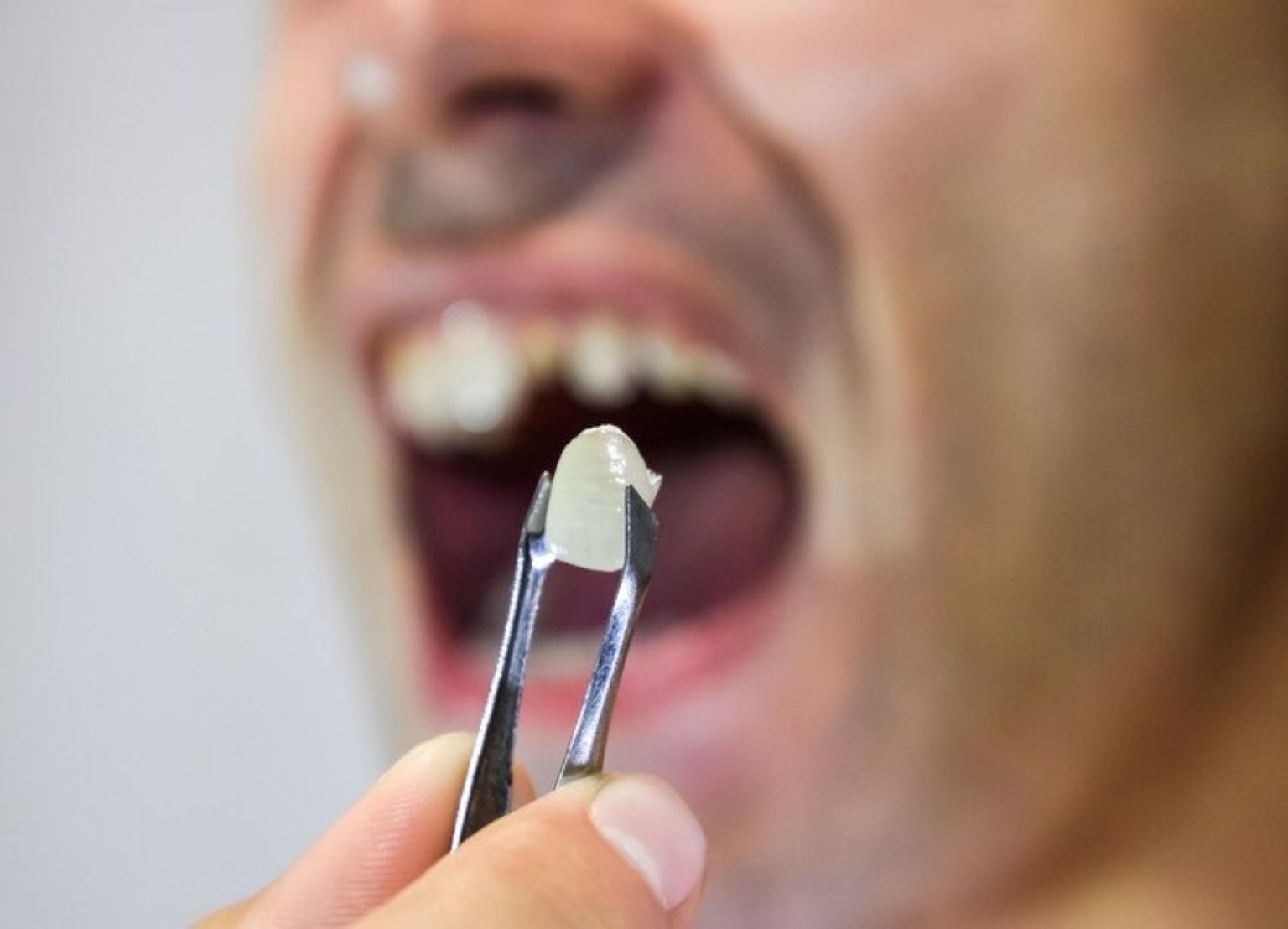
Losing a tooth is something most people hope to avoid, but sometimes removal becomes the safest option.
Many patients searching for tooth extractions near you are surprised to learn that extractions are often preventable with the right care and early action.
Understanding why teeth are removed and how to protect them can help you keep your natural smile longer.
Tooth Decay That Goes Too Far
Severe tooth decay is one of the most common reasons for extractions. When cavities are ignored, bacteria can reach deep into the tooth and cause an infection that spreads beyond repair.
Early treatment can stop decay before it becomes serious. Visiting a dentist near you at the first sign of pain or sensitivity makes it easier to save the tooth with a filling or crown instead of removing it.
Gum Problems That Weaken Tooth Support
Healthy gums hold teeth firmly in place. When gums become infected, the bone underneath can slowly break down. Over time, loose teeth may need to be removed for comfort and safety.
One major concern is gum disease leading to extractions, especially when bleeding, swelling, or bad breath are ignored for too long.
Routine cleanings and brushing habits can help keep gums strong and reduce long-term damage.
Dental Trauma and Accidents
A sports injury, a fall or biting down on hard objects can crack or break your teeth beyond just repair.
In some cases, the problem will happen below the gum line, which makes dental restoration difficult.
Wearing mouthguards during sports and avoiding chewing ice or hard candies lowers the risk of sudden tooth damage.
Overcrowding and Orthodontic Needs
In some situations, the dentist will remove teeth to make space for proper alignment – this is common before braces or orthodontic treatment when overcrowding affects bite function or cleaning ability.
Planned extractions are different from emergency ones and are usually done to improve long-term oral health.
Wisdom Teeth Complications
Wisdom teeth often grow at awkward angles or stay trapped under the gums. This can lead to pain, infections, or pressure on nearby teeth.
Removing wisdom teeth early can prevent them from any future discomfort.
What are the Practical Ways to Avoid Tooth Extractions
Preventing tooth loss often comes down to using the right daily habits and taking timely care of your teeth.
If you are asking questions like “how to prevent tooth loss,” remember it starts with small but consistent steps listed below:
- Brush twice daily with fluoride toothpaste
- Floss once a day to clean between teeth
- Limit sugary snacks and acidic drinks
- Address tooth pain early instead of waiting
- Keep up with regular dental checkups
These habits reduce the risk of decay, infection, and gum problems that lead to extractions.
Common Causes vs. Prevention Methods
| Cause of Extraction | How It Can Often Be Prevented |
| Severe tooth decay | Early fillings and good hygiene |
| Gum disease | Regular cleanings and flossing |
| Dental trauma | Mouthguards and safer habits |
| Overcrowding | Early orthodontic planning |
When Extraction Is the Healthiest Choice
Even if you take good care of your wisdom teeth, extractions are sometimes necessary to protect the surrounding teeth.
By removing a damaged tooth, you can relieve pain, stop infection and prepare your mouth for future restoration options.
Protect Your Smile Before Problems Grow
Tooth extractions don’t happen overnight. They’re often the result of small issues left untreated.
At Westside Family Dental, the focus is on prevention first, helping patients understand their risks and act early.
If you’re dealing with tooth pain or want to protect your smile long-term, booking a visit sooner rather than later can make all the difference. A healthy smile is always worth saving.
📍 Find Us on Google Map
FAQs
Is tooth extraction always the last option?
Yes, dentists will first try to save the tooth with several treatment options like fillings, crowns, or root canals before recommending extraction.
Does a tooth extraction hurt?
The process is painless as the dentist uses a local anesthesia, though mild soreness afterward is normal and temporary.
How long does it take to heal after a tooth extraction?
Most people feel better within a few days, with full healing typically taking one to two weeks, depending on the tooth and care afterward.