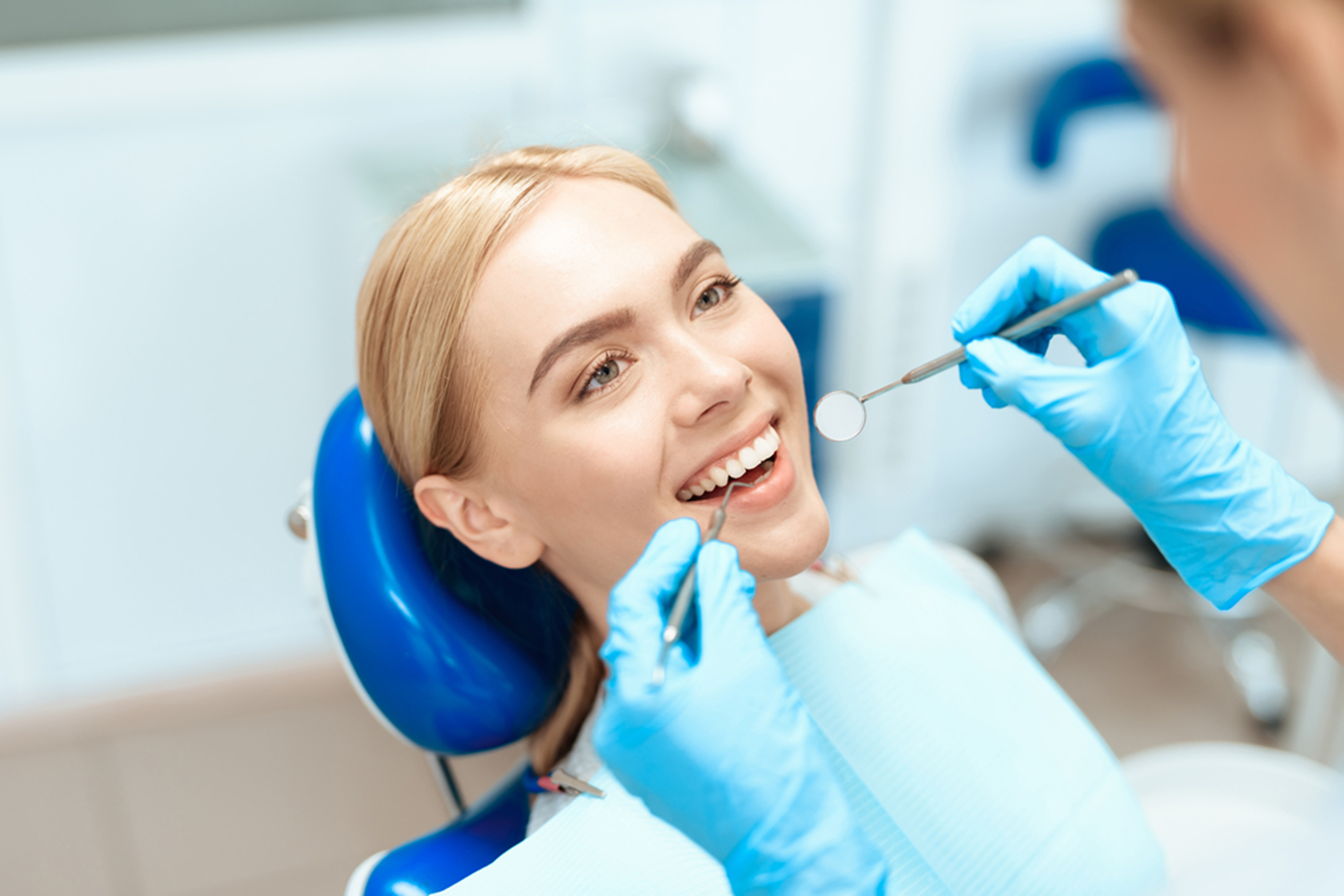
If you’re preparing for or considering root canal treatment, our dentist in West Edmonton and their staff will tell you what to expect after a root canal, what you’ll experience, and everything you need to know about the procedure. Generally, your mouth and gums will feel completely normal — except you won’t have infection-related pain and swelling — within a week or two of your procedure.
You can do several things after your root canal procedure to ensure the quickest and most smooth recovery possible. Here are some top tips to make faster recovery from root canal.
Don’t Eat Right Away
Avoid eating immediately after your procedure, and definitely not until the numbness in your mouth has fully disappeared. When you start eating, be careful not to chew or bite directly with the affected tooth until all tenderness in the area is gone.
Elevate Your Head And Hold Off On Eating
After your procedure, you will notice soreness and swelling around your mouth. You can help with that swelling by keeping your head elevated while you sleep for the first few nights as you recover. Keeping your head propped up on an extra pillow will help reduce the discomfort.
Use Over-The-Counter Pain Medications
While the procedure was painless, you’ll experience pain and discomfort around your gums and jaw once the anesthetic wears off. Our dentist will recommend taking ibuprofen, an anti-inflammatory painkiller sold under Advil, as one example.
Call Now for Fast Relief & Expert Advice
Gargle With Warm Salted Water
Gargling with warm water and salt will help keep your mouth clean and prevent infection in the gums surrounding your affected tooth. The ratio of salt to water should be approximately half a teaspoon to one cup of warm — but not hot — water.
Ice Cream And Cold Compresses
Eating ice cream and using cold compresses will help to keep the swelling down following your root canal procedure. Since you may notice tooth sensitivity in your affected tooth, avoid eating ice cream with that part of your mouth. Use a cold compress for up to 15 minutes several times a day following the procedure until the swelling has subsided.
Avoid Causes Of Inflammation
Ice cream and cold compresses will help keep your procedure-related swelling down. While recovering, avoid drinking hot drinks, smoking, drinking with straws, and drinking alcohol. All of those things can promote inflammation. Also, avoid eating foods that can get stuck between teeth until healing is complete and the risk of re-infection is fully passed.
Book Your Root Canal Consultation Today
Take a Break
The first two days after a root canal procedure are not the time for playing sports, physical labour, running, or hiking. Instead, take that time to relax and avoid strenuous activity while recovering.
Don’t Be Surprised by the Sensitivity
Some sensitivity to heat, cold, and discomfort while biting is normal in the first week or two after a root canal procedure. You’ll be tempted to probe around the treated area with your tongue. That’s normal, but so is the sensation of sensitivity and soreness that may result.
Don’t Hesitate
Our dentist will tell you exactly what to expect during your recovery and give you specific directions for your case. These tips will help promote a speedy recovery, too. If you experience unexpected symptoms or complications — which are rare but possible — do not hesitate to contact our dentist in Edmonton to discuss them and get advice.
In particular, if you experience excessive bleeding, severe pain, fever, persistent or increasing swelling, or adverse reactions to medication, you should contact our dentist or an emergency dentist to address any emerging issues.
Root canal treatment near you has a 95% success rate, and there’s every reason to expect that your procedure will be a successful and permanent solution to your tooth infection, especially with your commitment to root canal after care.
Post-Root Canal Care FAQs
1. How to reduce cheek swelling after root canal?
Cheek swelling after a root canal is usually mild and temporary. You can reduce it by applying a cold compress on the swollen area for 15–20 minutes at a time. Do this for the first 24 hours. Avoid hot foods and keep your head elevated while resting. If swelling worsens or continues beyond a few days, contact your dentist.
2. What to do for pain after root canal?
It’s normal to feel some pain or discomfort for a few days. Over-the-counter pain relievers like ibuprofen or acetaminophen can help manage this. Avoid chewing on the treated side, stick to soft foods, and follow your dentist’s instructions carefully. If the pain becomes severe or doesn’t improve, it’s best to schedule a follow-up visit.
3. How to sleep after root canal?
After a root canal, sleep with your head slightly elevated using an extra pillow to help reduce swelling and discomfort. Try to sleep on the opposite side of the treated tooth and avoid sleeping on your stomach. Take your prescribed medication before bed to stay comfortable through the night.
4. How to relieve jaw pain after root canal?
Jaw pain after a root canal can be due to keeping your mouth open for a long time. Use a warm compress on the jaw area after 24 hours, and do gentle jaw stretches. Over-the-counter pain medication may also help. Stick to soft foods and avoid wide mouth movements like yawning or chewing gum for a few days.
5. How long does it take to recover from a root canal?
Most people start feeling better within 2–3 days. Full recovery generally takes about a week, but it varies depending on the individual and the complexity of the case. Following post-treatment care and attending any follow-up appointments ensures proper healing.
6. Gum pain after root canal
Gum pain after a root canal may happen due to irritation from the procedure or the dental tools used. This pain usually fades within a few days. Rinse your mouth with warm salt water, avoid hard foods, and take pain relievers as directed. If the gum pain worsens or swelling appears, consult your dentist.
7. How long after root canal can I drink alcohol?
You should wait at least 24 hours after a root canal before drinking alcohol—especially if you’ve been given pain medication or antibiotics. Alcohol can interfere with healing and react with medications. It’s safest to wait until you’re completely off medications and no longer feeling discomfort.